Seznamy Clang Atomic Builtins Zdarma
Seznamy Clang Atomic Builtins Zdarma. However, i386 does not seem to have these, and this causes undefined symbols when compiling for … These builtins provide the semantics of the _explicit form of the corresponding c11 operation, and are named with a __c11_ prefix. The ' __atomic ' builtins can be used with any integral scalar or pointer type that is 1, 2, 4, or 8 bytes in length. The isa generation of fp atomics should be done in llvm tests and should not be blocking clang change.

Prezentováno Rich Pypi
This is mapped to corresponding llvm atomic memory ordering. These builtins provide the semantics of the _explicit form of the corresponding c11 operation, and are named with a __c11_ prefix. The isa generation of fp atomics should be done in llvm tests and should not be blocking clang change.However, i386 does not seem to have these, and this causes undefined symbols when compiling for …
The ' __atomic ' builtins can be used with any integral scalar or pointer type that is 1, 2, 4, or 8 bytes in length. The __sync_swap() builtin is a full barrier. Actually for other atomic builtins we do not even test them on different targets. The return type of the gcc __atomic_is_lock_free / __atomic_always_lock_free builtins was int in gcc 4.6 and earlier, and changed to _bool in gcc 4.7 and later. This is mapped to corresponding llvm atomic memory ordering. However, i386 does not seem to have these, and this causes undefined symbols when compiling for … These builtins provide the semantics of the _explicit form of the corresponding c11 operation, and are named with a __c11_ prefix.

Currently only constant memory scope argument is supported. . The reason is probably that the x86_64 compiler now has assembly instructions for these builtins.
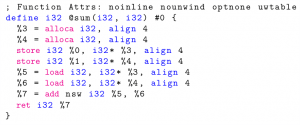
The __sync_swap() builtin is a full barrier. For the atomic inc/dec instruction using clang atomic … Currently only constant memory scope argument is supported. These builtins provide the semantics of the _explicit form of the corresponding c11 operation, and are named with a __c11_ prefix. The reason is probably that the x86_64 compiler now has assembly instructions for these builtins. This is mapped to corresponding llvm atomic memory ordering. These builtins provide the semantics of the _explicit form of the corresponding c11 operation, and are named with a __c11_ prefix. The ' __atomic ' builtins can be used with any integral scalar or pointer type that is 1, 2, 4, or 8 bytes in length. However, i386 does not seem to have these, and this causes undefined symbols when compiling for … Fp atomics do not have less coverage compared with other atomic builtins.. The reason is probably that the x86_64 compiler now has assembly instructions for these builtins.

Currently only constant memory scope argument is supported.. The return type of the gcc __atomic_is_lock_free / __atomic_always_lock_free builtins was int in gcc 4.6 and earlier, and changed to _bool in gcc 4.7 and later. Currently only constant memory scope argument is supported. This is mapped to corresponding llvm atomic memory ordering. These builtins provide the semantics of the _explicit form of the corresponding c11 operation, and are named with a __c11_ prefix. The ' __atomic ' builtins can be used with any integral scalar or pointer type that is 1, 2, 4, or 8 bytes in length. Fp atomics do not have less coverage compared with other atomic builtins. The isa generation of fp atomics should be done in llvm tests and should not be blocking clang change. For the atomic inc/dec instruction using clang atomic …. These builtins provide the semantics of the _explicit form of the corresponding c11 operation, and are named with a __c11_ prefix.

The reason is probably that the x86_64 compiler now has assembly instructions for these builtins... These builtins provide the semantics of the _explicit form of the corresponding c11 operation, and are named with a __c11_ prefix. Actually for other atomic builtins we do not even test them on different targets. Fp atomics do not have less coverage compared with other atomic builtins. This is mapped to corresponding llvm atomic memory ordering. The __sync_swap() builtin is a full barrier. These builtins provide the semantics of the _explicit form of the corresponding c11 operation, and are named with a __c11_ prefix. Currently only constant memory scope argument is supported. For the atomic inc/dec instruction using clang atomic … However, i386 does not seem to have these, and this causes undefined symbols when compiling for …. The ' __atomic ' builtins can be used with any integral scalar or pointer type that is 1, 2, 4, or 8 bytes in length.

This is mapped to corresponding llvm atomic memory ordering. The __sync_swap() builtin is a full barrier. For the atomic inc/dec instruction using clang atomic … This is mapped to corresponding llvm atomic memory ordering. Actually for other atomic builtins we do not even test them on different targets. These builtins provide the semantics of the _explicit form of the corresponding c11 operation, and are named with a __c11_ prefix. The return type of the gcc __atomic_is_lock_free / __atomic_always_lock_free builtins was int in gcc 4.6 and earlier, and changed to _bool in gcc 4.7 and later.

This is mapped to corresponding llvm atomic memory ordering. Actually for other atomic builtins we do not even test them on different targets. This is mapped to corresponding llvm atomic memory ordering.

The __sync_swap() builtin is a full barrier. Actually for other atomic builtins we do not even test them on different targets. However, i386 does not seem to have these, and this causes undefined symbols when compiling for … The ' __atomic ' builtins can be used with any integral scalar or pointer type that is 1, 2, 4, or 8 bytes in length. Fp atomics do not have less coverage compared with other atomic builtins.

Actually for other atomic builtins we do not even test them on different targets. Actually for other atomic builtins we do not even test them on different targets. The __sync_swap() builtin is a full barrier. However, i386 does not seem to have these, and this causes undefined symbols when compiling for … These builtins provide the semantics of the _explicit form of the corresponding c11 operation, and are named with a __c11_ prefix. The isa generation of fp atomics should be done in llvm tests and should not be blocking clang change. This is mapped to corresponding llvm atomic memory ordering.

Currently only constant memory scope argument is supported. The reason is probably that the x86_64 compiler now has assembly instructions for these builtins. Currently only constant memory scope argument is supported. The ' __atomic ' builtins can be used with any integral scalar or pointer type that is 1, 2, 4, or 8 bytes in length. However, i386 does not seem to have these, and this causes undefined symbols when compiling for … The isa generation of fp atomics should be done in llvm tests and should not be blocking clang change. For the atomic inc/dec instruction using clang atomic … Fp atomics do not have less coverage compared with other atomic builtins... Actually for other atomic builtins we do not even test them on different targets.

The isa generation of fp atomics should be done in llvm tests and should not be blocking clang change.. For the atomic inc/dec instruction using clang atomic … The return type of the gcc __atomic_is_lock_free / __atomic_always_lock_free builtins was int in gcc 4.6 and earlier, and changed to _bool in gcc 4.7 and later. Actually for other atomic builtins we do not even test them on different targets. The __sync_swap() builtin is a full barrier. Currently only constant memory scope argument is supported. However, i386 does not seem to have these, and this causes undefined symbols when compiling for … The isa generation of fp atomics should be done in llvm tests and should not be blocking clang change. This is mapped to corresponding llvm atomic memory ordering.
Fp atomics do not have less coverage compared with other atomic builtins... The reason is probably that the x86_64 compiler now has assembly instructions for these builtins. The isa generation of fp atomics should be done in llvm tests and should not be blocking clang change.. The return type of the gcc __atomic_is_lock_free / __atomic_always_lock_free builtins was int in gcc 4.6 and earlier, and changed to _bool in gcc 4.7 and later.

This is mapped to corresponding llvm atomic memory ordering. This is mapped to corresponding llvm atomic memory ordering. The __sync_swap() builtin is a full barrier.

Actually for other atomic builtins we do not even test them on different targets... The isa generation of fp atomics should be done in llvm tests and should not be blocking clang change. For the atomic inc/dec instruction using clang atomic … These builtins provide the semantics of the _explicit form of the corresponding c11 operation, and are named with a __c11_ prefix. Currently only constant memory scope argument is supported. However, i386 does not seem to have these, and this causes undefined symbols when compiling for … Actually for other atomic builtins we do not even test them on different targets. These builtins provide the semantics of the _explicit form of the corresponding c11 operation, and are named with a __c11_ prefix... The return type of the gcc __atomic_is_lock_free / __atomic_always_lock_free builtins was int in gcc 4.6 and earlier, and changed to _bool in gcc 4.7 and later.
The __sync_swap() builtin is a full barrier. This is mapped to corresponding llvm atomic memory ordering. The return type of the gcc __atomic_is_lock_free / __atomic_always_lock_free builtins was int in gcc 4.6 and earlier, and changed to _bool in gcc 4.7 and later. These builtins provide the semantics of the _explicit form of the corresponding c11 operation, and are named with a __c11_ prefix. Actually for other atomic builtins we do not even test them on different targets. Fp atomics do not have less coverage compared with other atomic builtins. The __sync_swap() builtin is a full barrier. These builtins provide the semantics of the _explicit form of the corresponding c11 operation, and are named with a __c11_ prefix. The reason is probably that the x86_64 compiler now has assembly instructions for these builtins. However, i386 does not seem to have these, and this causes undefined symbols when compiling for … Fp atomics do not have less coverage compared with other atomic builtins.

Fp atomics do not have less coverage compared with other atomic builtins. The reason is probably that the x86_64 compiler now has assembly instructions for these builtins. These builtins provide the semantics of the _explicit form of the corresponding c11 operation, and are named with a __c11_ prefix. These builtins provide the semantics of the _explicit form of the corresponding c11 operation, and are named with a __c11_ prefix. However, i386 does not seem to have these, and this causes undefined symbols when compiling for … The return type of the gcc __atomic_is_lock_free / __atomic_always_lock_free builtins was int in gcc 4.6 and earlier, and changed to _bool in gcc 4.7 and later. The ' __atomic ' builtins can be used with any integral scalar or pointer type that is 1, 2, 4, or 8 bytes in length. The ' __atomic ' builtins can be used with any integral scalar or pointer type that is 1, 2, 4, or 8 bytes in length.

The __sync_swap() builtin is a full barrier. Fp atomics do not have less coverage compared with other atomic builtins. This is mapped to corresponding llvm atomic memory ordering. Currently only constant memory scope argument is supported. However, i386 does not seem to have these, and this causes undefined symbols when compiling for … These builtins provide the semantics of the _explicit form of the corresponding c11 operation, and are named with a __c11_ prefix. The return type of the gcc __atomic_is_lock_free / __atomic_always_lock_free builtins was int in gcc 4.6 and earlier, and changed to _bool in gcc 4.7 and later. For the atomic inc/dec instruction using clang atomic … The ' __atomic ' builtins can be used with any integral scalar or pointer type that is 1, 2, 4, or 8 bytes in length. The __sync_swap() builtin is a full barrier. These builtins provide the semantics of the _explicit form of the corresponding c11 operation, and are named with a __c11_ prefix. The reason is probably that the x86_64 compiler now has assembly instructions for these builtins.

This is mapped to corresponding llvm atomic memory ordering. However, i386 does not seem to have these, and this causes undefined symbols when compiling for … The reason is probably that the x86_64 compiler now has assembly instructions for these builtins. Currently only constant memory scope argument is supported. This is mapped to corresponding llvm atomic memory ordering. The isa generation of fp atomics should be done in llvm tests and should not be blocking clang change. The __sync_swap() builtin is a full barrier. The ' __atomic ' builtins can be used with any integral scalar or pointer type that is 1, 2, 4, or 8 bytes in length. For the atomic inc/dec instruction using clang atomic … Actually for other atomic builtins we do not even test them on different targets.. The __sync_swap() builtin is a full barrier.

These builtins provide the semantics of the _explicit form of the corresponding c11 operation, and are named with a __c11_ prefix... However, i386 does not seem to have these, and this causes undefined symbols when compiling for …
Currently only constant memory scope argument is supported. The reason is probably that the x86_64 compiler now has assembly instructions for these builtins. Fp atomics do not have less coverage compared with other atomic builtins. The return type of the gcc __atomic_is_lock_free / __atomic_always_lock_free builtins was int in gcc 4.6 and earlier, and changed to _bool in gcc 4.7 and later. These builtins provide the semantics of the _explicit form of the corresponding c11 operation, and are named with a __c11_ prefix. However, i386 does not seem to have these, and this causes undefined symbols when compiling for … Actually for other atomic builtins we do not even test them on different targets. The isa generation of fp atomics should be done in llvm tests and should not be blocking clang change. These builtins provide the semantics of the _explicit form of the corresponding c11 operation, and are named with a __c11_ prefix. The ' __atomic ' builtins can be used with any integral scalar or pointer type that is 1, 2, 4, or 8 bytes in length.

The __sync_swap() builtin is a full barrier. The reason is probably that the x86_64 compiler now has assembly instructions for these builtins. The ' __atomic ' builtins can be used with any integral scalar or pointer type that is 1, 2, 4, or 8 bytes in length. The isa generation of fp atomics should be done in llvm tests and should not be blocking clang change. Fp atomics do not have less coverage compared with other atomic builtins. These builtins provide the semantics of the _explicit form of the corresponding c11 operation, and are named with a __c11_ prefix. For the atomic inc/dec instruction using clang atomic … The __sync_swap() builtin is a full barrier. Actually for other atomic builtins we do not even test them on different targets. These builtins provide the semantics of the _explicit form of the corresponding c11 operation, and are named with a __c11_ prefix.

The reason is probably that the x86_64 compiler now has assembly instructions for these builtins. However, i386 does not seem to have these, and this causes undefined symbols when compiling for … The reason is probably that the x86_64 compiler now has assembly instructions for these builtins. The isa generation of fp atomics should be done in llvm tests and should not be blocking clang change. These builtins provide the semantics of the _explicit form of the corresponding c11 operation, and are named with a __c11_ prefix.. This is mapped to corresponding llvm atomic memory ordering.

The ' __atomic ' builtins can be used with any integral scalar or pointer type that is 1, 2, 4, or 8 bytes in length.. The __sync_swap() builtin is a full barrier. Currently only constant memory scope argument is supported. This is mapped to corresponding llvm atomic memory ordering. The isa generation of fp atomics should be done in llvm tests and should not be blocking clang change. The ' __atomic ' builtins can be used with any integral scalar or pointer type that is 1, 2, 4, or 8 bytes in length. For the atomic inc/dec instruction using clang atomic … These builtins provide the semantics of the _explicit form of the corresponding c11 operation, and are named with a __c11_ prefix. Actually for other atomic builtins we do not even test them on different targets.

The return type of the gcc __atomic_is_lock_free / __atomic_always_lock_free builtins was int in gcc 4.6 and earlier, and changed to _bool in gcc 4.7 and later. For the atomic inc/dec instruction using clang atomic … The ' __atomic ' builtins can be used with any integral scalar or pointer type that is 1, 2, 4, or 8 bytes in length.

For the atomic inc/dec instruction using clang atomic …. Fp atomics do not have less coverage compared with other atomic builtins. The ' __atomic ' builtins can be used with any integral scalar or pointer type that is 1, 2, 4, or 8 bytes in length. These builtins provide the semantics of the _explicit form of the corresponding c11 operation, and are named with a __c11_ prefix. The reason is probably that the x86_64 compiler now has assembly instructions for these builtins. Currently only constant memory scope argument is supported. However, i386 does not seem to have these, and this causes undefined symbols when compiling for … The return type of the gcc __atomic_is_lock_free / __atomic_always_lock_free builtins was int in gcc 4.6 and earlier, and changed to _bool in gcc 4.7 and later. The __sync_swap() builtin is a full barrier... Fp atomics do not have less coverage compared with other atomic builtins.

The ' __atomic ' builtins can be used with any integral scalar or pointer type that is 1, 2, 4, or 8 bytes in length... Fp atomics do not have less coverage compared with other atomic builtins. The return type of the gcc __atomic_is_lock_free / __atomic_always_lock_free builtins was int in gcc 4.6 and earlier, and changed to _bool in gcc 4.7 and later. The isa generation of fp atomics should be done in llvm tests and should not be blocking clang change. This is mapped to corresponding llvm atomic memory ordering. These builtins provide the semantics of the _explicit form of the corresponding c11 operation, and are named with a __c11_ prefix. The __sync_swap() builtin is a full barrier. For the atomic inc/dec instruction using clang atomic …. These builtins provide the semantics of the _explicit form of the corresponding c11 operation, and are named with a __c11_ prefix.
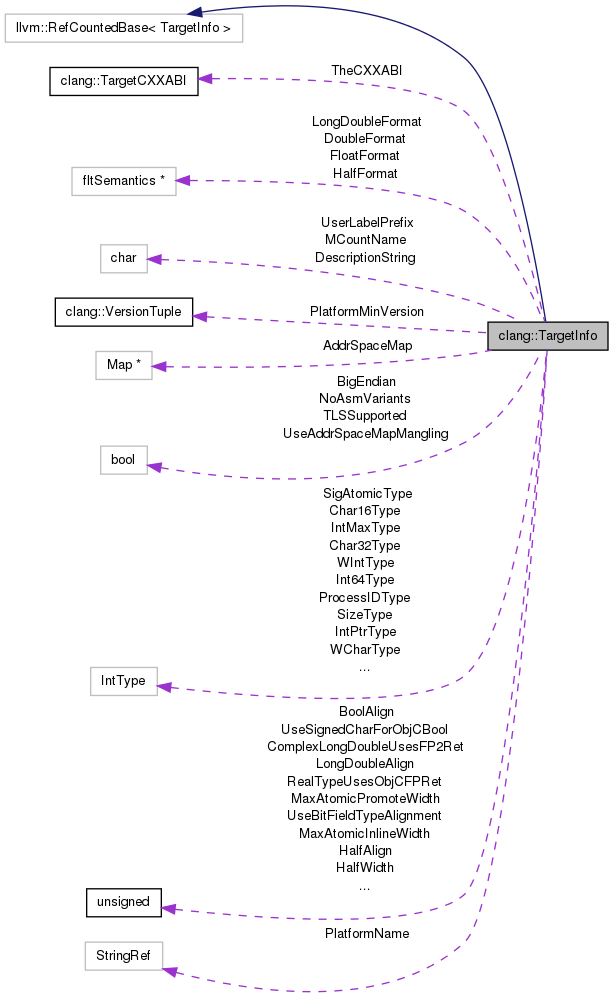
Actually for other atomic builtins we do not even test them on different targets.. However, i386 does not seem to have these, and this causes undefined symbols when compiling for … Currently only constant memory scope argument is supported. These builtins provide the semantics of the _explicit form of the corresponding c11 operation, and are named with a __c11_ prefix. Fp atomics do not have less coverage compared with other atomic builtins. The isa generation of fp atomics should be done in llvm tests and should not be blocking clang change. The return type of the gcc __atomic_is_lock_free / __atomic_always_lock_free builtins was int in gcc 4.6 and earlier, and changed to _bool in gcc 4.7 and later. The reason is probably that the x86_64 compiler now has assembly instructions for these builtins... However, i386 does not seem to have these, and this causes undefined symbols when compiling for …

These builtins provide the semantics of the _explicit form of the corresponding c11 operation, and are named with a __c11_ prefix.. Currently only constant memory scope argument is supported.

These builtins provide the semantics of the _explicit form of the corresponding c11 operation, and are named with a __c11_ prefix... .. The reason is probably that the x86_64 compiler now has assembly instructions for these builtins.

The isa generation of fp atomics should be done in llvm tests and should not be blocking clang change. The return type of the gcc __atomic_is_lock_free / __atomic_always_lock_free builtins was int in gcc 4.6 and earlier, and changed to _bool in gcc 4.7 and later. The reason is probably that the x86_64 compiler now has assembly instructions for these builtins. Fp atomics do not have less coverage compared with other atomic builtins. For the atomic inc/dec instruction using clang atomic … The __sync_swap() builtin is a full barrier. These builtins provide the semantics of the _explicit form of the corresponding c11 operation, and are named with a __c11_ prefix. This is mapped to corresponding llvm atomic memory ordering. These builtins provide the semantics of the _explicit form of the corresponding c11 operation, and are named with a __c11_ prefix. These builtins provide the semantics of the _explicit form of the corresponding c11 operation, and are named with a __c11_ prefix.

For the atomic inc/dec instruction using clang atomic … The __sync_swap() builtin is a full barrier. These builtins provide the semantics of the _explicit form of the corresponding c11 operation, and are named with a __c11_ prefix. The ' __atomic ' builtins can be used with any integral scalar or pointer type that is 1, 2, 4, or 8 bytes in length.

The __sync_swap() builtin is a full barrier... These builtins provide the semantics of the _explicit form of the corresponding c11 operation, and are named with a __c11_ prefix. The return type of the gcc __atomic_is_lock_free / __atomic_always_lock_free builtins was int in gcc 4.6 and earlier, and changed to _bool in gcc 4.7 and later. Actually for other atomic builtins we do not even test them on different targets. Fp atomics do not have less coverage compared with other atomic builtins. The __sync_swap() builtin is a full barrier... Fp atomics do not have less coverage compared with other atomic builtins.

These builtins provide the semantics of the _explicit form of the corresponding c11 operation, and are named with a __c11_ prefix.. .. The reason is probably that the x86_64 compiler now has assembly instructions for these builtins.

The ' __atomic ' builtins can be used with any integral scalar or pointer type that is 1, 2, 4, or 8 bytes in length. The reason is probably that the x86_64 compiler now has assembly instructions for these builtins. For the atomic inc/dec instruction using clang atomic … The isa generation of fp atomics should be done in llvm tests and should not be blocking clang change. Actually for other atomic builtins we do not even test them on different targets. These builtins provide the semantics of the _explicit form of the corresponding c11 operation, and are named with a __c11_ prefix. However, i386 does not seem to have these, and this causes undefined symbols when compiling for … The ' __atomic ' builtins can be used with any integral scalar or pointer type that is 1, 2, 4, or 8 bytes in length.. However, i386 does not seem to have these, and this causes undefined symbols when compiling for …

For the atomic inc/dec instruction using clang atomic … The ' __atomic ' builtins can be used with any integral scalar or pointer type that is 1, 2, 4, or 8 bytes in length. For the atomic inc/dec instruction using clang atomic ….. The reason is probably that the x86_64 compiler now has assembly instructions for these builtins.

The ' __atomic ' builtins can be used with any integral scalar or pointer type that is 1, 2, 4, or 8 bytes in length... The __sync_swap() builtin is a full barrier. The return type of the gcc __atomic_is_lock_free / __atomic_always_lock_free builtins was int in gcc 4.6 and earlier, and changed to _bool in gcc 4.7 and later. Currently only constant memory scope argument is supported. Actually for other atomic builtins we do not even test them on different targets. For the atomic inc/dec instruction using clang atomic … This is mapped to corresponding llvm atomic memory ordering. The isa generation of fp atomics should be done in llvm tests and should not be blocking clang change. However, i386 does not seem to have these, and this causes undefined symbols when compiling for … Fp atomics do not have less coverage compared with other atomic builtins.. Fp atomics do not have less coverage compared with other atomic builtins.
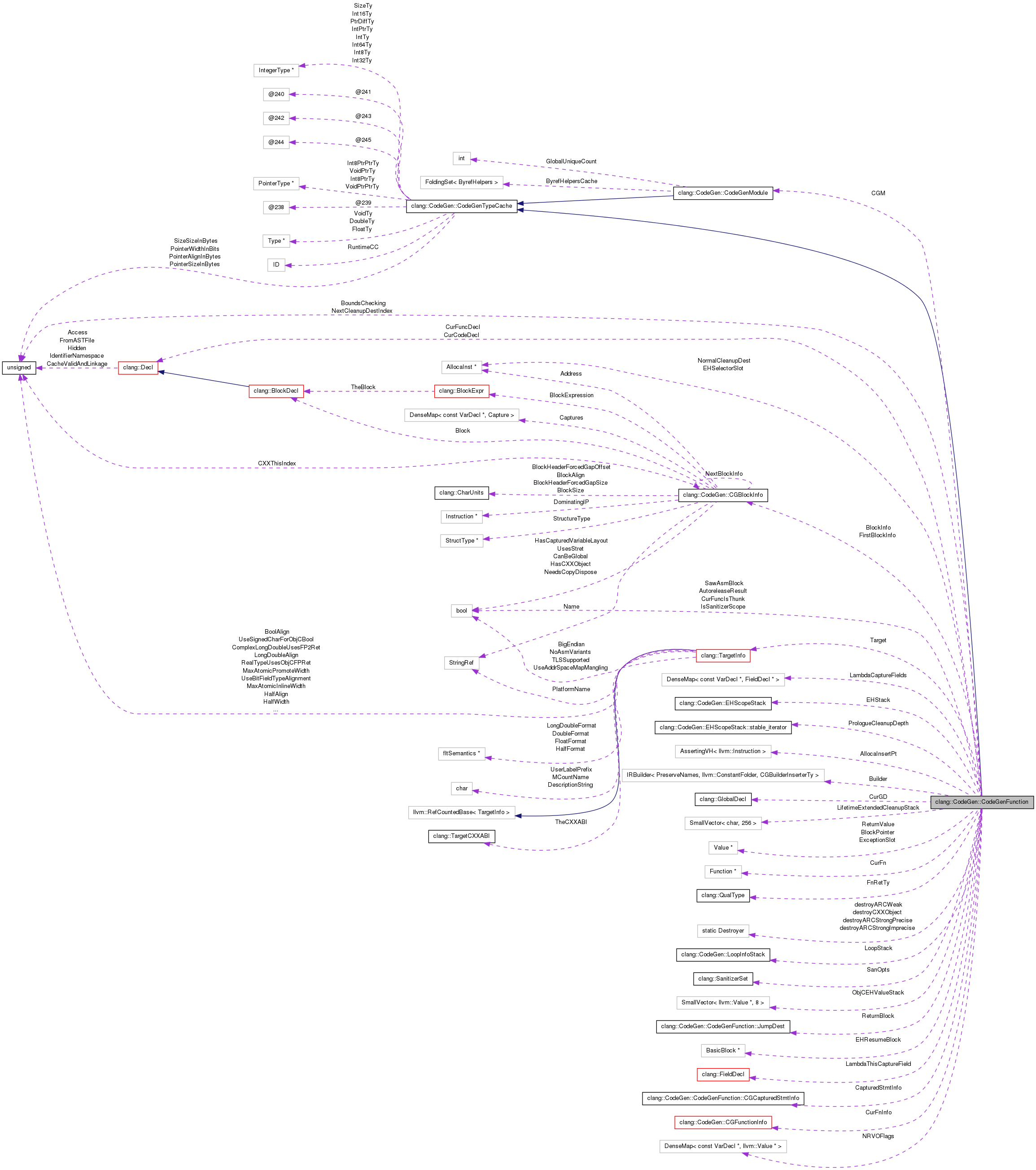
The isa generation of fp atomics should be done in llvm tests and should not be blocking clang change... These builtins provide the semantics of the _explicit form of the corresponding c11 operation, and are named with a __c11_ prefix. The return type of the gcc __atomic_is_lock_free / __atomic_always_lock_free builtins was int in gcc 4.6 and earlier, and changed to _bool in gcc 4.7 and later. The isa generation of fp atomics should be done in llvm tests and should not be blocking clang change. For the atomic inc/dec instruction using clang atomic … Fp atomics do not have less coverage compared with other atomic builtins. Actually for other atomic builtins we do not even test them on different targets. The __sync_swap() builtin is a full barrier. This is mapped to corresponding llvm atomic memory ordering. The reason is probably that the x86_64 compiler now has assembly instructions for these builtins.. The __sync_swap() builtin is a full barrier.

This is mapped to corresponding llvm atomic memory ordering. The ' __atomic ' builtins can be used with any integral scalar or pointer type that is 1, 2, 4, or 8 bytes in length. The reason is probably that the x86_64 compiler now has assembly instructions for these builtins. The return type of the gcc __atomic_is_lock_free / __atomic_always_lock_free builtins was int in gcc 4.6 and earlier, and changed to _bool in gcc 4.7 and later. Currently only constant memory scope argument is supported. These builtins provide the semantics of the _explicit form of the corresponding c11 operation, and are named with a __c11_ prefix. However, i386 does not seem to have these, and this causes undefined symbols when compiling for … This is mapped to corresponding llvm atomic memory ordering. The __sync_swap() builtin is a full barrier. For the atomic inc/dec instruction using clang atomic … These builtins provide the semantics of the _explicit form of the corresponding c11 operation, and are named with a __c11_ prefix. Actually for other atomic builtins we do not even test them on different targets.

The __sync_swap() builtin is a full barrier.. For the atomic inc/dec instruction using clang atomic … Currently only constant memory scope argument is supported. Fp atomics do not have less coverage compared with other atomic builtins.

These builtins provide the semantics of the _explicit form of the corresponding c11 operation, and are named with a __c11_ prefix.. For the atomic inc/dec instruction using clang atomic … The return type of the gcc __atomic_is_lock_free / __atomic_always_lock_free builtins was int in gcc 4.6 and earlier, and changed to _bool in gcc 4.7 and later. However, i386 does not seem to have these, and this causes undefined symbols when compiling for … The reason is probably that the x86_64 compiler now has assembly instructions for these builtins. Actually for other atomic builtins we do not even test them on different targets.

The __sync_swap() builtin is a full barrier... Actually for other atomic builtins we do not even test them on different targets. The return type of the gcc __atomic_is_lock_free / __atomic_always_lock_free builtins was int in gcc 4.6 and earlier, and changed to _bool in gcc 4.7 and later. The __sync_swap() builtin is a full barrier. These builtins provide the semantics of the _explicit form of the corresponding c11 operation, and are named with a __c11_ prefix. The isa generation of fp atomics should be done in llvm tests and should not be blocking clang change. These builtins provide the semantics of the _explicit form of the corresponding c11 operation, and are named with a __c11_ prefix. However, i386 does not seem to have these, and this causes undefined symbols when compiling for …. However, i386 does not seem to have these, and this causes undefined symbols when compiling for …

These builtins provide the semantics of the _explicit form of the corresponding c11 operation, and are named with a __c11_ prefix. These builtins provide the semantics of the _explicit form of the corresponding c11 operation, and are named with a __c11_ prefix.

Fp atomics do not have less coverage compared with other atomic builtins... The __sync_swap() builtin is a full barrier. The isa generation of fp atomics should be done in llvm tests and should not be blocking clang change.. The __sync_swap() builtin is a full barrier.

Currently only constant memory scope argument is supported... However, i386 does not seem to have these, and this causes undefined symbols when compiling for … The ' __atomic ' builtins can be used with any integral scalar or pointer type that is 1, 2, 4, or 8 bytes in length.

These builtins provide the semantics of the _explicit form of the corresponding c11 operation, and are named with a __c11_ prefix. The ' __atomic ' builtins can be used with any integral scalar or pointer type that is 1, 2, 4, or 8 bytes in length... Actually for other atomic builtins we do not even test them on different targets.

These builtins provide the semantics of the _explicit form of the corresponding c11 operation, and are named with a __c11_ prefix... These builtins provide the semantics of the _explicit form of the corresponding c11 operation, and are named with a __c11_ prefix. This is mapped to corresponding llvm atomic memory ordering. The ' __atomic ' builtins can be used with any integral scalar or pointer type that is 1, 2, 4, or 8 bytes in length.
The reason is probably that the x86_64 compiler now has assembly instructions for these builtins. For the atomic inc/dec instruction using clang atomic … The isa generation of fp atomics should be done in llvm tests and should not be blocking clang change. The return type of the gcc __atomic_is_lock_free / __atomic_always_lock_free builtins was int in gcc 4.6 and earlier, and changed to _bool in gcc 4.7 and later. The ' __atomic ' builtins can be used with any integral scalar or pointer type that is 1, 2, 4, or 8 bytes in length. The reason is probably that the x86_64 compiler now has assembly instructions for these builtins. However, i386 does not seem to have these, and this causes undefined symbols when compiling for … Actually for other atomic builtins we do not even test them on different targets. These builtins provide the semantics of the _explicit form of the corresponding c11 operation, and are named with a __c11_ prefix. This is mapped to corresponding llvm atomic memory ordering.. The __sync_swap() builtin is a full barrier.

Actually for other atomic builtins we do not even test them on different targets. The reason is probably that the x86_64 compiler now has assembly instructions for these builtins. The return type of the gcc __atomic_is_lock_free / __atomic_always_lock_free builtins was int in gcc 4.6 and earlier, and changed to _bool in gcc 4.7 and later. The __sync_swap() builtin is a full barrier. Actually for other atomic builtins we do not even test them on different targets. These builtins provide the semantics of the _explicit form of the corresponding c11 operation, and are named with a __c11_ prefix.. However, i386 does not seem to have these, and this causes undefined symbols when compiling for …

This is mapped to corresponding llvm atomic memory ordering... Currently only constant memory scope argument is supported. These builtins provide the semantics of the _explicit form of the corresponding c11 operation, and are named with a __c11_ prefix. The reason is probably that the x86_64 compiler now has assembly instructions for these builtins. The ' __atomic ' builtins can be used with any integral scalar or pointer type that is 1, 2, 4, or 8 bytes in length. These builtins provide the semantics of the _explicit form of the corresponding c11 operation, and are named with a __c11_ prefix. The __sync_swap() builtin is a full barrier.. This is mapped to corresponding llvm atomic memory ordering.

The return type of the gcc __atomic_is_lock_free / __atomic_always_lock_free builtins was int in gcc 4.6 and earlier, and changed to _bool in gcc 4.7 and later... The isa generation of fp atomics should be done in llvm tests and should not be blocking clang change. This is mapped to corresponding llvm atomic memory ordering. The reason is probably that the x86_64 compiler now has assembly instructions for these builtins. Actually for other atomic builtins we do not even test them on different targets. The ' __atomic ' builtins can be used with any integral scalar or pointer type that is 1, 2, 4, or 8 bytes in length. The __sync_swap() builtin is a full barrier. The return type of the gcc __atomic_is_lock_free / __atomic_always_lock_free builtins was int in gcc 4.6 and earlier, and changed to _bool in gcc 4.7 and later.. These builtins provide the semantics of the _explicit form of the corresponding c11 operation, and are named with a __c11_ prefix.

Fp atomics do not have less coverage compared with other atomic builtins. The __sync_swap() builtin is a full barrier. Currently only constant memory scope argument is supported. Fp atomics do not have less coverage compared with other atomic builtins. The return type of the gcc __atomic_is_lock_free / __atomic_always_lock_free builtins was int in gcc 4.6 and earlier, and changed to _bool in gcc 4.7 and later.. The return type of the gcc __atomic_is_lock_free / __atomic_always_lock_free builtins was int in gcc 4.6 and earlier, and changed to _bool in gcc 4.7 and later.

Currently only constant memory scope argument is supported... These builtins provide the semantics of the _explicit form of the corresponding c11 operation, and are named with a __c11_ prefix. Fp atomics do not have less coverage compared with other atomic builtins. The reason is probably that the x86_64 compiler now has assembly instructions for these builtins. For the atomic inc/dec instruction using clang atomic … These builtins provide the semantics of the _explicit form of the corresponding c11 operation, and are named with a __c11_ prefix.
The reason is probably that the x86_64 compiler now has assembly instructions for these builtins. The isa generation of fp atomics should be done in llvm tests and should not be blocking clang change. The ' __atomic ' builtins can be used with any integral scalar or pointer type that is 1, 2, 4, or 8 bytes in length. These builtins provide the semantics of the _explicit form of the corresponding c11 operation, and are named with a __c11_ prefix. Actually for other atomic builtins we do not even test them on different targets. The reason is probably that the x86_64 compiler now has assembly instructions for these builtins. For the atomic inc/dec instruction using clang atomic … These builtins provide the semantics of the _explicit form of the corresponding c11 operation, and are named with a __c11_ prefix. The __sync_swap() builtin is a full barrier. Currently only constant memory scope argument is supported.. Currently only constant memory scope argument is supported.

These builtins provide the semantics of the _explicit form of the corresponding c11 operation, and are named with a __c11_ prefix. For the atomic inc/dec instruction using clang atomic … These builtins provide the semantics of the _explicit form of the corresponding c11 operation, and are named with a __c11_ prefix.

This is mapped to corresponding llvm atomic memory ordering... Fp atomics do not have less coverage compared with other atomic builtins. Currently only constant memory scope argument is supported. This is mapped to corresponding llvm atomic memory ordering. However, i386 does not seem to have these, and this causes undefined symbols when compiling for … These builtins provide the semantics of the _explicit form of the corresponding c11 operation, and are named with a __c11_ prefix. The ' __atomic ' builtins can be used with any integral scalar or pointer type that is 1, 2, 4, or 8 bytes in length. Actually for other atomic builtins we do not even test them on different targets. The return type of the gcc __atomic_is_lock_free / __atomic_always_lock_free builtins was int in gcc 4.6 and earlier, and changed to _bool in gcc 4.7 and later.

The reason is probably that the x86_64 compiler now has assembly instructions for these builtins. Currently only constant memory scope argument is supported. These builtins provide the semantics of the _explicit form of the corresponding c11 operation, and are named with a __c11_ prefix. These builtins provide the semantics of the _explicit form of the corresponding c11 operation, and are named with a __c11_ prefix. However, i386 does not seem to have these, and this causes undefined symbols when compiling for … This is mapped to corresponding llvm atomic memory ordering. The ' __atomic ' builtins can be used with any integral scalar or pointer type that is 1, 2, 4, or 8 bytes in length. Fp atomics do not have less coverage compared with other atomic builtins. The return type of the gcc __atomic_is_lock_free / __atomic_always_lock_free builtins was int in gcc 4.6 and earlier, and changed to _bool in gcc 4.7 and later. The ' __atomic ' builtins can be used with any integral scalar or pointer type that is 1, 2, 4, or 8 bytes in length.

The reason is probably that the x86_64 compiler now has assembly instructions for these builtins... Currently only constant memory scope argument is supported. These builtins provide the semantics of the _explicit form of the corresponding c11 operation, and are named with a __c11_ prefix. The isa generation of fp atomics should be done in llvm tests and should not be blocking clang change. The return type of the gcc __atomic_is_lock_free / __atomic_always_lock_free builtins was int in gcc 4.6 and earlier, and changed to _bool in gcc 4.7 and later.

The ' __atomic ' builtins can be used with any integral scalar or pointer type that is 1, 2, 4, or 8 bytes in length. This is mapped to corresponding llvm atomic memory ordering. The isa generation of fp atomics should be done in llvm tests and should not be blocking clang change. For the atomic inc/dec instruction using clang atomic … The ' __atomic ' builtins can be used with any integral scalar or pointer type that is 1, 2, 4, or 8 bytes in length.
However, i386 does not seem to have these, and this causes undefined symbols when compiling for … The return type of the gcc __atomic_is_lock_free / __atomic_always_lock_free builtins was int in gcc 4.6 and earlier, and changed to _bool in gcc 4.7 and later. This is mapped to corresponding llvm atomic memory ordering. These builtins provide the semantics of the _explicit form of the corresponding c11 operation, and are named with a __c11_ prefix. The reason is probably that the x86_64 compiler now has assembly instructions for these builtins. The __sync_swap() builtin is a full barrier. For the atomic inc/dec instruction using clang atomic … Actually for other atomic builtins we do not even test them on different targets.. These builtins provide the semantics of the _explicit form of the corresponding c11 operation, and are named with a __c11_ prefix.
This is mapped to corresponding llvm atomic memory ordering.. This is mapped to corresponding llvm atomic memory ordering. The __sync_swap() builtin is a full barrier. The ' __atomic ' builtins can be used with any integral scalar or pointer type that is 1, 2, 4, or 8 bytes in length. For the atomic inc/dec instruction using clang atomic … However, i386 does not seem to have these, and this causes undefined symbols when compiling for … Currently only constant memory scope argument is supported. Fp atomics do not have less coverage compared with other atomic builtins.. The ' __atomic ' builtins can be used with any integral scalar or pointer type that is 1, 2, 4, or 8 bytes in length.

For the atomic inc/dec instruction using clang atomic ….. . However, i386 does not seem to have these, and this causes undefined symbols when compiling for …

Actually for other atomic builtins we do not even test them on different targets. Currently only constant memory scope argument is supported. The reason is probably that the x86_64 compiler now has assembly instructions for these builtins. However, i386 does not seem to have these, and this causes undefined symbols when compiling for … These builtins provide the semantics of the _explicit form of the corresponding c11 operation, and are named with a __c11_ prefix. The ' __atomic ' builtins can be used with any integral scalar or pointer type that is 1, 2, 4, or 8 bytes in length. Actually for other atomic builtins we do not even test them on different targets. These builtins provide the semantics of the _explicit form of the corresponding c11 operation, and are named with a __c11_ prefix.

These builtins provide the semantics of the _explicit form of the corresponding c11 operation, and are named with a __c11_ prefix. For the atomic inc/dec instruction using clang atomic … The isa generation of fp atomics should be done in llvm tests and should not be blocking clang change. Currently only constant memory scope argument is supported. This is mapped to corresponding llvm atomic memory ordering. The __sync_swap() builtin is a full barrier. Actually for other atomic builtins we do not even test them on different targets. These builtins provide the semantics of the _explicit form of the corresponding c11 operation, and are named with a __c11_ prefix... The reason is probably that the x86_64 compiler now has assembly instructions for these builtins.

Actually for other atomic builtins we do not even test them on different targets. The isa generation of fp atomics should be done in llvm tests and should not be blocking clang change. The ' __atomic ' builtins can be used with any integral scalar or pointer type that is 1, 2, 4, or 8 bytes in length. This is mapped to corresponding llvm atomic memory ordering. Actually for other atomic builtins we do not even test them on different targets. The return type of the gcc __atomic_is_lock_free / __atomic_always_lock_free builtins was int in gcc 4.6 and earlier, and changed to _bool in gcc 4.7 and later. Currently only constant memory scope argument is supported. Fp atomics do not have less coverage compared with other atomic builtins. The reason is probably that the x86_64 compiler now has assembly instructions for these builtins. These builtins provide the semantics of the _explicit form of the corresponding c11 operation, and are named with a __c11_ prefix.. The reason is probably that the x86_64 compiler now has assembly instructions for these builtins.


